Manners are so important in every aspect of healthcare in particular. It is a core aspect of professionalism and at the heart of interpersonal skills. So I was struck today by what our “intelligent” virtual assistants are modelling in the home environment. Increasingly we are used to raising our voice towards the box in the corner of the room and demanding “Hey! Google! Play Radio One!” (or some variant). Imagine if I started shouting “Hey! Esteemed life partner! Put the radio on!” We simply don’t talk to people like that. Are these systems discouraging use of manners? In particular are our children overhearing these “conversations” and learning that impolite demands achieve results.
It feels right, then, that some “intelligent” products have already included an option to respond favourably to please and thankyou to our existing rudimentary virtual assistant systems.
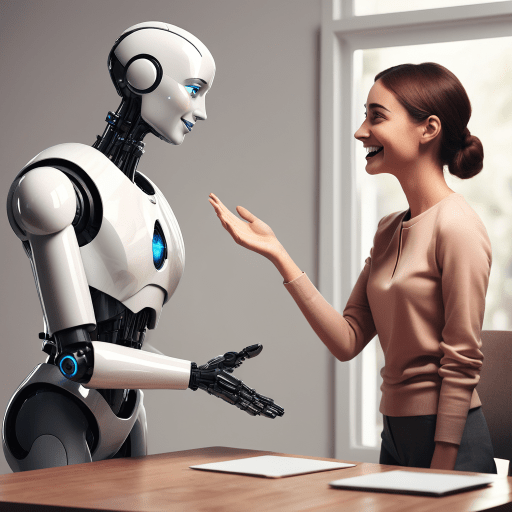
While controversy surrounds teaching children to respond emotionally to software, there are some implications for simulation. As simulation software and use of avatars allows us to train our students by engaging them in realistic interactions with “intelligent” patients or clients and machine-learning driven tutors, are we going to end up training students to ignore basic manners? I would not have a problem if our hardware refused to play music or answer questions if I forgot to say please. Or perhaps switched the music off if I forgot to say thank you after. Is there value in including basic politeness in our future simulations? What do you think?
 BridgeFace